That is why Vogelbescherming Nederland (the Dutch Partner of BirdLife International), together with Natuurmonumenten, Brabants Landschap, and Vogelbescherming Vlaanderen, is launching a major restoration project in the Southwestern Delta. With support of more than €2 million from Nature Regeneration North Sea, the partners will work over the next three years to create safer and better breeding sites for the European herring gull and the lesser black-backed gull, in cooperation with port authorities.
26 February 2026
Towards Safe Breeding Sites for Gulls
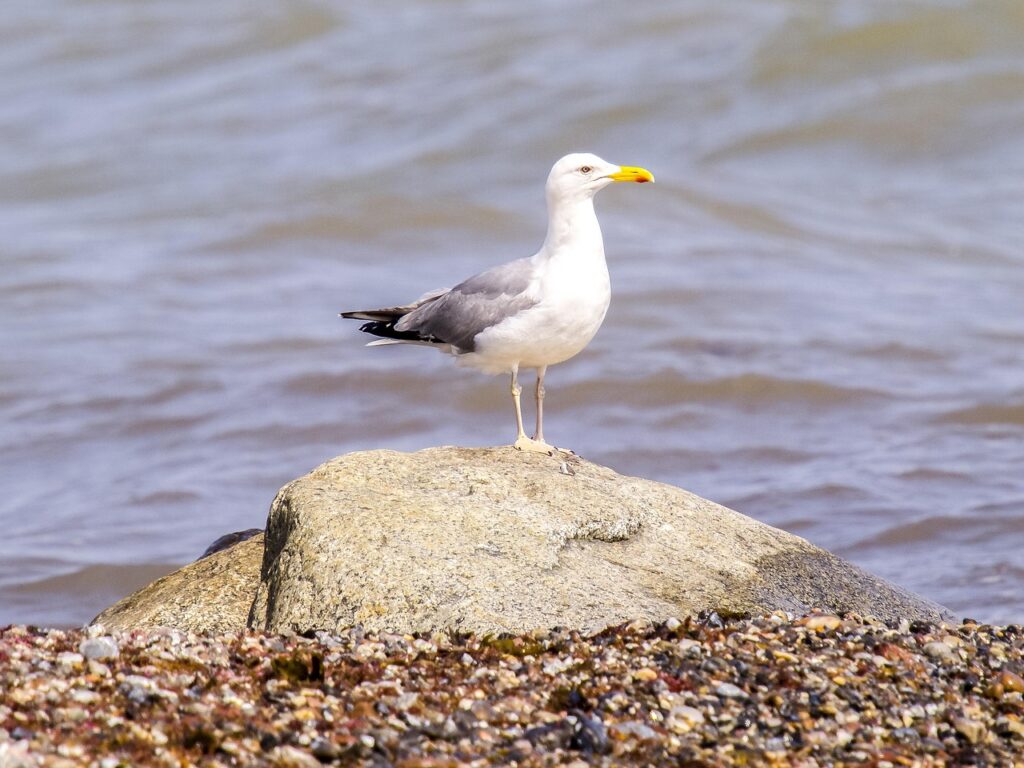
Gulls: you may know them mainly as noisy birds that steal your fries on a warm summer day. Yet they are indispensable to a healthy North Sea. As scavengers and top predators, they play an important role in the coastal ecosystem. However, suitable breeding sites are becoming increasingly scarce, putting their future at risk.
Gulls Under Pressure
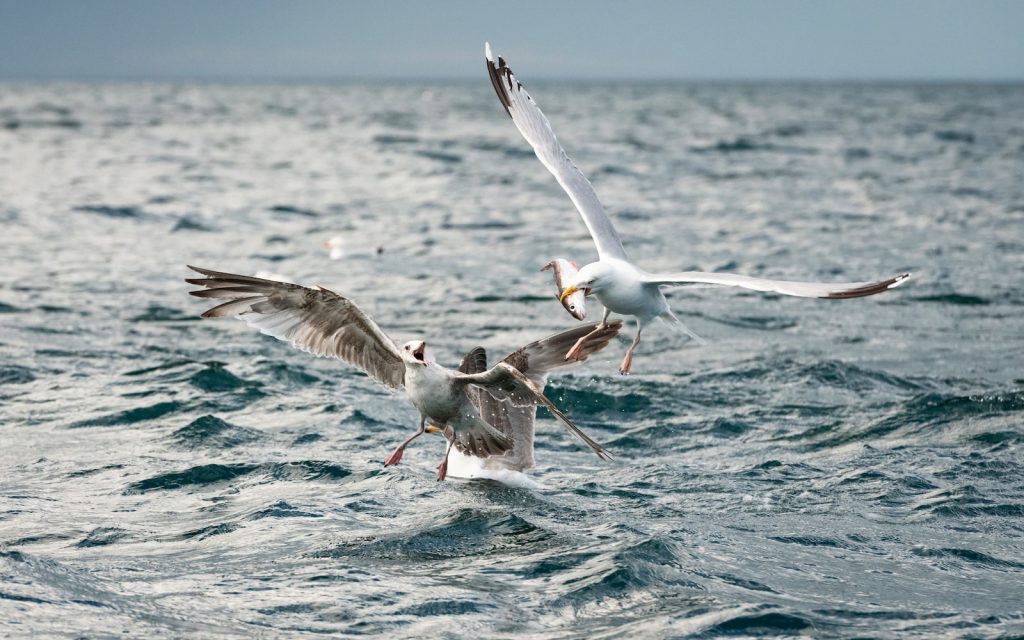
These two gull species have been struggling for some time. Suitable breeding areas are disappearing, for example because habitats become overgrown or because birds are increasingly disturbed by recreational activities. Foxes are also becoming more successful at reaching breeding colonies. As a result, many gulls now breed in ports and cities, where they aren’t always welcome and sometimes driven away.
The herring gull and the lesser black-backed gull are closely connected to the North Sea. They depend on it for food and are sensitive to major changes at sea, such as the construction of offshore wind farms. Therefore, restoring healthy gull populations is important for the entire North Sea region.
"Gulls do not have the best reputation, but they are indispensable to a healthy North Sea. By providing them with suitable breeding sites in the right locations, we help not only the gulls themselves, but also nature and people."
From Plan to Practice
In 2021, conservation organizations, land managers, and port companies, guided by gull researchers, developed the Seagull Vision Southwestern Delta: a plan to secure a future for gulls in the region. Thanks to funding from Nature Regeneration North Sea, this plan can now be put into practice.
This public-private partnership between the Ministry of Agriculture, Fisheries, Food Security and Nature, industry, and NGOs works for the benefit of birds, fish, and seabed fauna, while helping to create a robust ecosystem that strengthens the entire North Sea.
"Through this program, we are working to restore gull populations, contributing to a healthy and resilient North Sea. This also creates opportunities for sustainable future uses, such as the expansion of offshore wind farms."
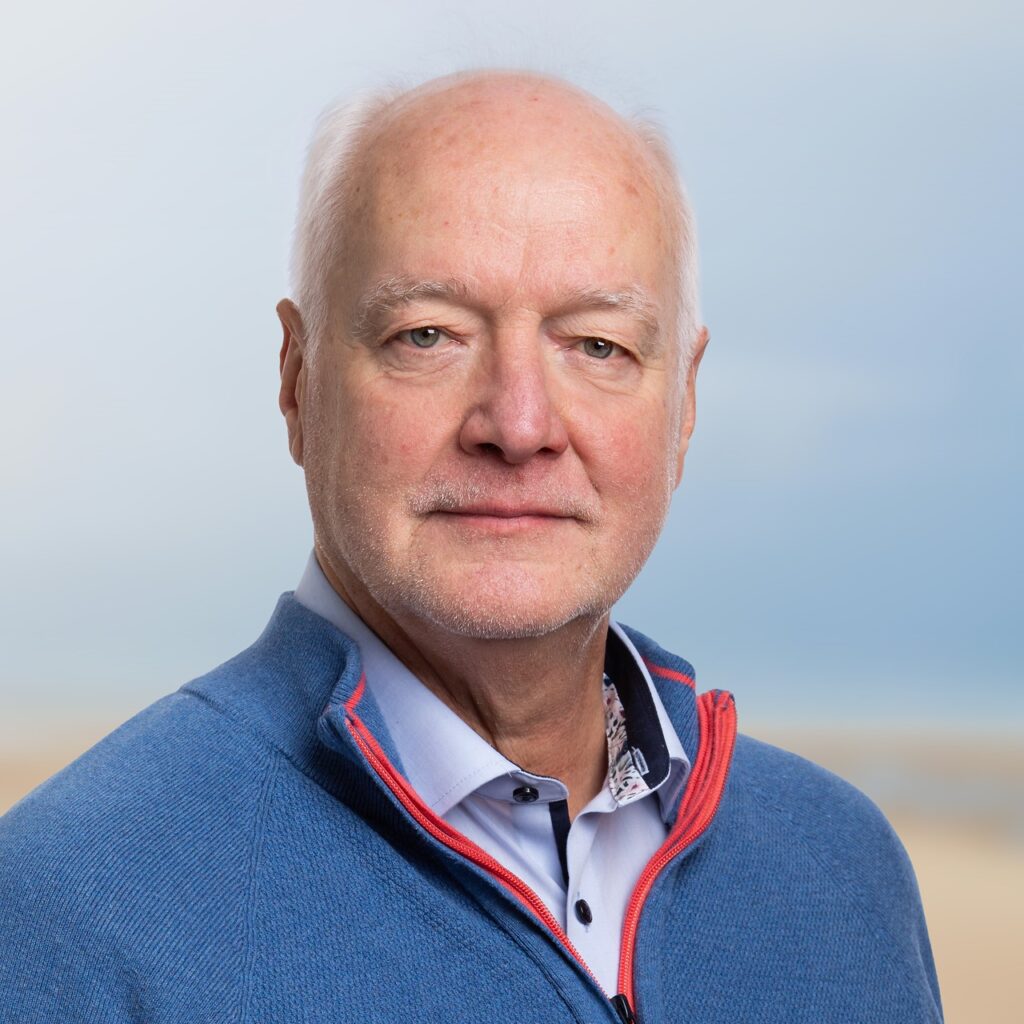
Jeroen Vis
Program Manager, Nature Regeneration North Sea
What Will Happen?
The project includes several concrete measures:
Gull Hubs on Rooftops in Port Areas
Special nesting facilities, known as gull hubs, will be installed on rooftops in the ports of Rotterdam, North Sea Port (Vlissingen), and Antwerp. These provide gulls with safe breeding locations without causing nuisance to people.
The goal is to install a total of 200 gull hubs. Vogelbescherming Nederland and Vogelbescherming Vlaanderen will advise companies on design and maintenance, while the companies themselves will purchase the hubs.
Restoration of De Spuitkop Breeding Island (Markiezaat)
Brabants Landschap will restore the breeding island De Spuitkop. By removing excessive vegetation and treating cleared areas with salt, open terrain preferred by breeding gulls will be re-established. Other coastal bird species may also benefit from these improvements.
More Peace and Quiet on Neeltje Jans
On Neeltje Jans, Natuurmonumenten will reduce disturbance around breeding colonies. This will be achieved through fences, signage, and adjustments to access roads to prevent visitors from entering breeding areas. Overgrown vegetation will also be removed to keep the dune landscape open.
More Than Just Gulls
Although the project focuses on gulls, other bird species will benefit as well. Increased tranquility and suitable habitat will create better conditions for other coastal breeding birds, such as the common gull and the little tern.
In addition, the Southwestern Delta will continue to serve as an important resting and feeding area along the North Sea coast, supporting many migratory bird species.
Learning and Sharing
Throughout the project, the effectiveness of the measures will be closely monitored. Researchers will assess breeding success, food availability, and bird movements. The knowledge gained will be shared so that successful approaches can also be applied in other regions, such as the Wadden Sea area.
Timeline
The project will run for three years, covering three breeding seasons, and is scheduled to be completed in early 2029.