08 October 2026
Restoration of De Spuitkop Breeding Island: “Not a Single Ground-Nesting Bird Egg Hatched”
In the middle of Lake Markiezaat lies an uninhabited island called De Spuitkop. Or rather, uninhabited by humans. Thousands of birds call the island home, using it as a place to breed, forage, and rest. Today, however, this important bird habitat is under increasing pressure. As part of the Seagull Vision Southwestern Delta project, efforts are underway to restore the island and ensure it remains a suitable breeding site for many bird species, including the European herring gull and the lesser black-backed gull. Erik de Jonge, site manager at Brabants Landschap, explains why restoration is urgently needed.<br />
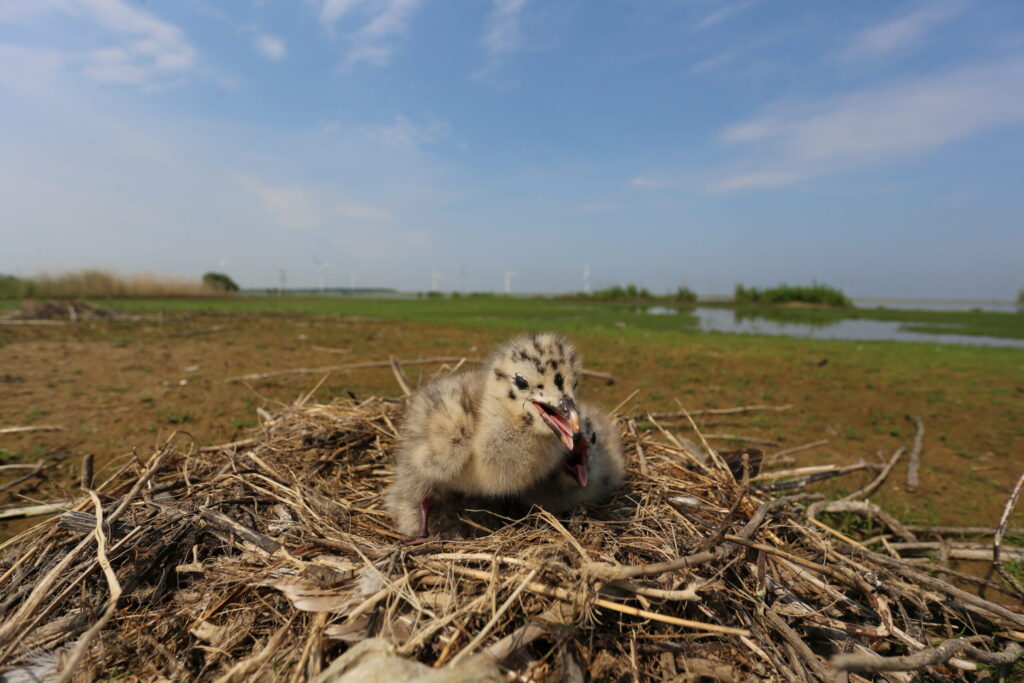
“De Spuitkop used to be one large sandbank. Open areas like this are important for many bird species because they provide safe places to breed and roost,” explains Erik.
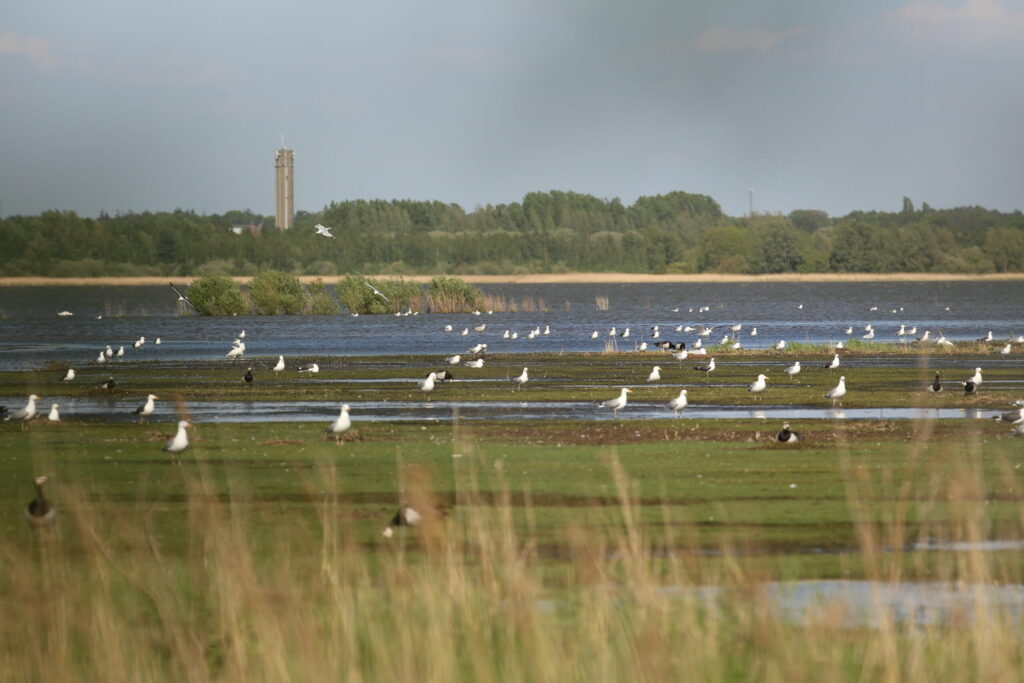
Few places in the Netherlands host as many breeding bird species as the Markiezaat, located southwest of Bergen op Zoom. In the center of the island stands a massive white-tailed eagle nest.
“In spring, the island almost disappears beneath the sheer number of breeding birds. During winter, it becomes an important roosting site for up to 100,000 birds each night. Many gulls fly here every evening, some all the way from northern France. You can actually see a continuous stream of gulls heading towards the island.”
From Thousands of Nests to Zero Successful Ground-Nesters
The sight of countless birds breeding and resting on De Spuitkop can no longer be taken for granted.
The island is increasingly becoming overgrown with reeds, grasses, and other vegetation, making it less safe for birds. At the same time, drought causes water levels to drop earlier in the year, making it possible to walk from the mainland to the island.
“This year, foxes were already able to cross in April because of the low water levels, and they certainly took advantage of it. The fox is a beautiful animal,” says Erik, “but not on this island. De Spuitkop was covered from end to end with eggshells. For the first time in the history of the Markiezaat, we had zero ground-nesting birds whose eggs successfully hatched.”
Restoring a Safe Breeding Area
After five years of testing different approaches, Brabants Landschap now knows how best to combat vegetation encroachment.
“In the Netherlands, intensive management is often required if you want to maintain or restore species. But on an island, that was something we weren’t used to. Suddenly you’re spending your workday transporting two hundred sheep across the water in a silent boat so they can graze the island,” Erik says.
The organization now has extensive experience with what works and what does not.
“We even had a special chopper machine built to help remove vegetation. This gives birds the open space and visibility they need to nest and lay eggs in spring.”
Benefits Beyond Gulls
The restoration work will strengthen populations of herring gulls and lesser black-backed gulls, which in turn benefit other bird species.
“Gulls are incredibly assertive and protect the vulnerable spoonbills that breed here. If a white-tailed eagle comes anywhere near the colony, the gulls rise as one white cloud to drive it away. All these bird species live here in close ecological connection. Through this work, we hope to preserve this crucial breeding habitat and provide a safe refuge for countless birds.”
Seagull Vision Southwestern Delta Project
The restoration of De Spuitkop is one of the activities within the Southwestern Delta Gull Vision project.
In this initiative, Vogelbescherming Nederland works together with Brabants Landschap, Natuurmonumenten, and Vogelbescherming Vlaanderen to create safer and higher-quality breeding sites for the herring gull and lesser black-backed gull.
The project is supported by more than €2 million from Nature Regeneration North Sea and is carried out in close cooperation with port-related businesses.
The project runs for three years, covers three breeding seasons, and is scheduled for completion in early 2029.