ReefCreate-XL
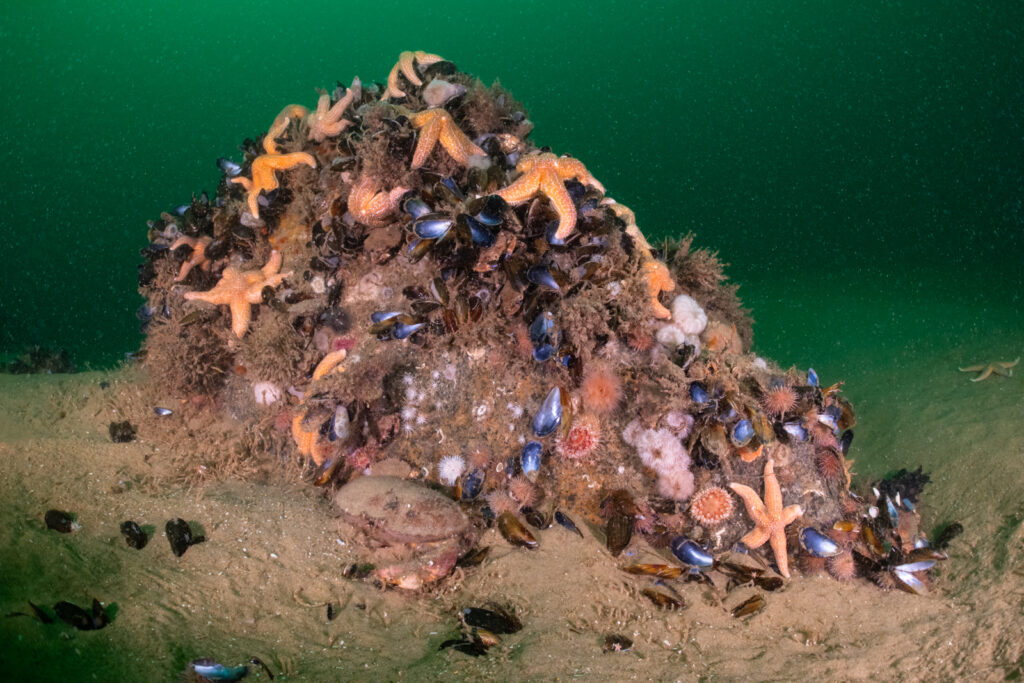
Due to human activities, diseases, and climate change, natural reefs in the North Sea have largely disappeared from the seabed. As a result, biodiversity is under serious pressure. Reefs are a cornerstone of marine ecosystems: they provide food, shelter, and habitat for marine life. That is why this project aims to strengthen nature in the North Sea.
The project – what are we doing?
Ten organizations are jointly investigating which reef structures are suitable for large-scale application to enhance marine life in the North Sea. The research takes place in the Frisian Front nature area, north of the Wadden Islands, where the structures will be deployed at sea. “Learning by doing” is central: in practice, it will be tested what works and what does not.
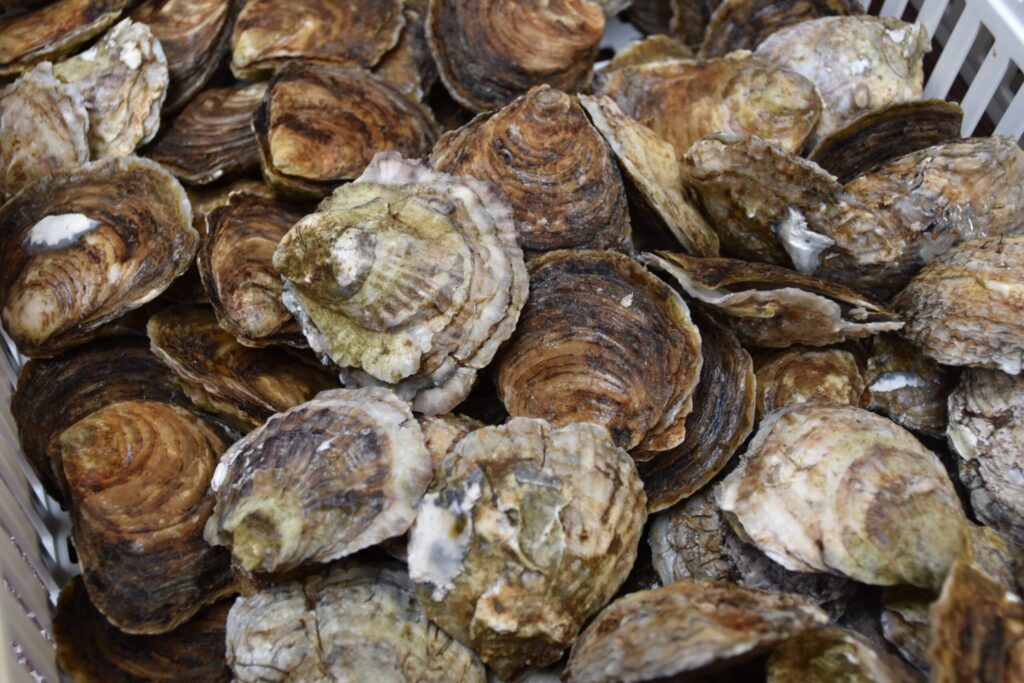
For years, various parties have been working on reef restoration using different methods. These include cultivating healthy oysters, using discarded fruit trees as a base for reef structures, and the innovative “remote setting” method. ReefCreate-XL brings these techniques together and builds on existing knowledge and experience.
In 2026, the structures will be developed, tested, and improved. From 2027 onwards, they will be installed in the Frisian Front and monitored intensively. Throughout the full four years of the project, research will focus on how the structures develop, their impact on marine life, and how they can be applied on an industrial scale.

The reef structures
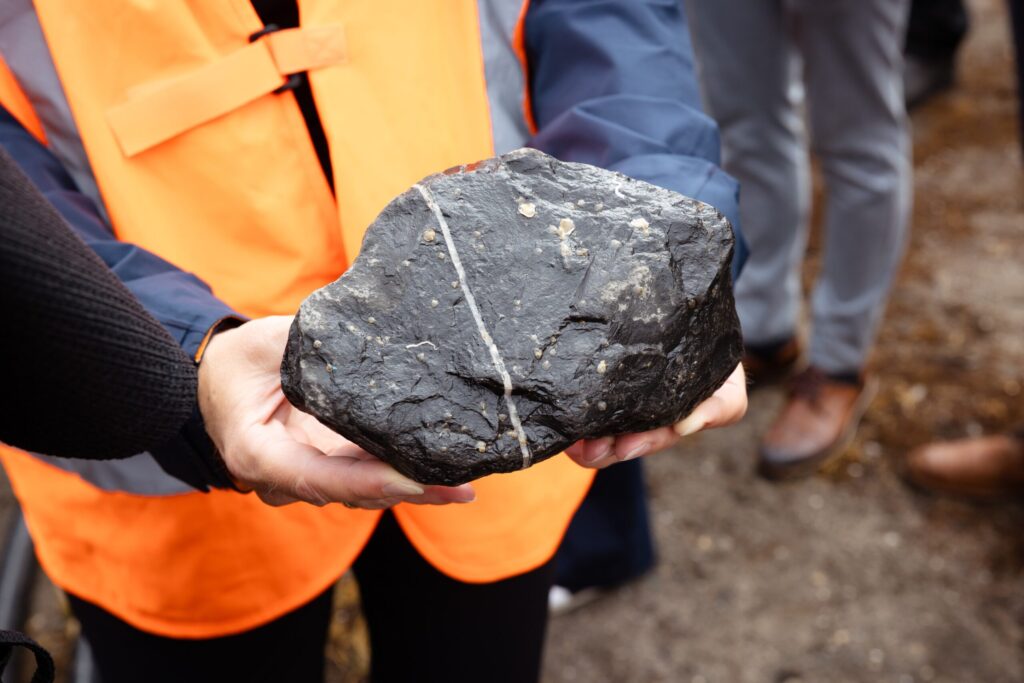
The first step is optimizing the structures. After that, they will be placed in the sea and monitored. The following types of structures will be tested:
- Broodstock structures: 240 tetrapods with 20,000 one-year-old oysters, serving as a starting point for further reef growth.
- Spat on rock: 8 million young oysters attached to stones, aimed at eventually creating a self-sustaining reef.
- Shell feeders: biodegradable ropes with mussels, providing shell material on which oyster larvae can settle.
- TreeReefs: discarded fruit trees that quickly attract life on the seabed and temporarily provide habitat for reef-forming species.
Partners
Eleven organizations are collaborating on the Reef Restoration-XL project: het Nederlands Instituut voor Onderzoek der Zee (NIOZ), Wageningen Marine Research, Waardenburg Ecology, Van Oord Ocean Health, EcoShape, The Rich North Sea, Naturalis Biodiversity Center, TU Delft, Stichting Zeeschelp, ARK Rewilding Nederland en Stichting Doggerland.