Remote setting for large-scale oyster reef restoration
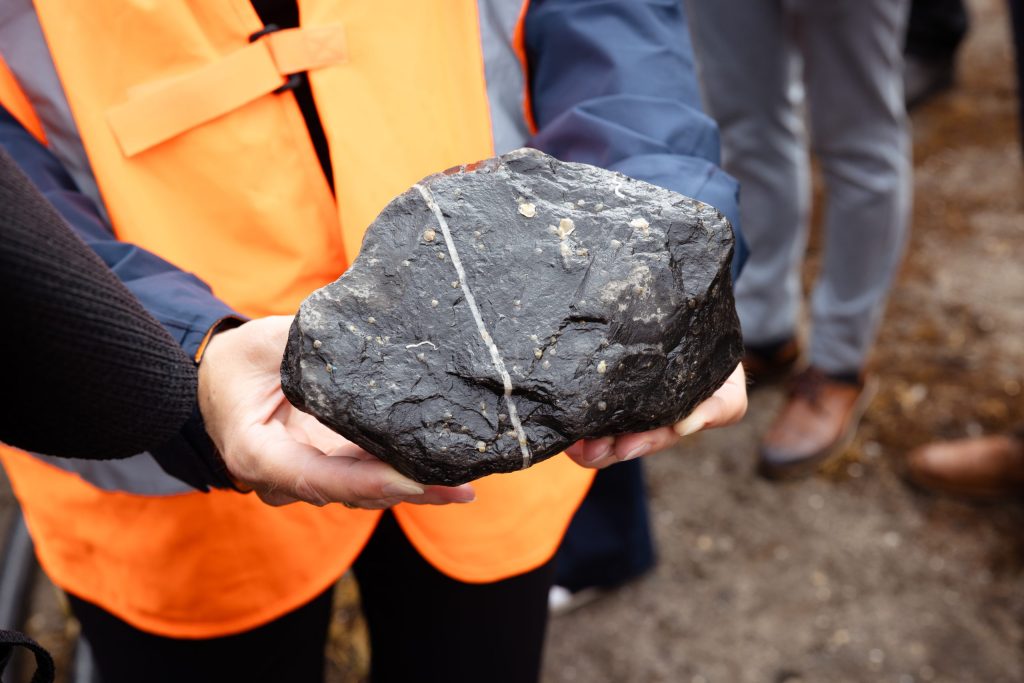
How do you help millions of oyster larvae find a new home at sea? Remote setting is an innovative technique that could make it possible. This project investigates how we can deploy this method for the European flat oyster, and what opportunities it offers to combine nature restoration with maritime infrastructure construction and maintenance in smart ways.
What is remote setting?
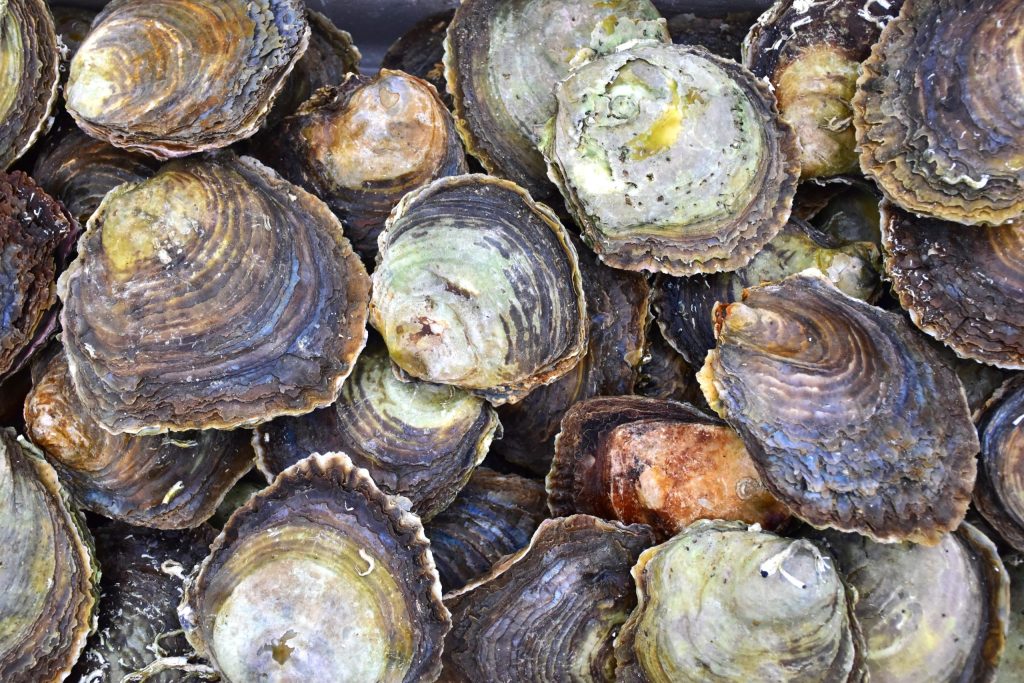
With remote setting, millions of oyster larvae are cultivated and then brought to a location near the sea. Here, the larvae attach to stones or hard substrate and grow into young oysters within a few days. The stones are then deployed into the sea, where the oysters find a new home and form reefs.
The research
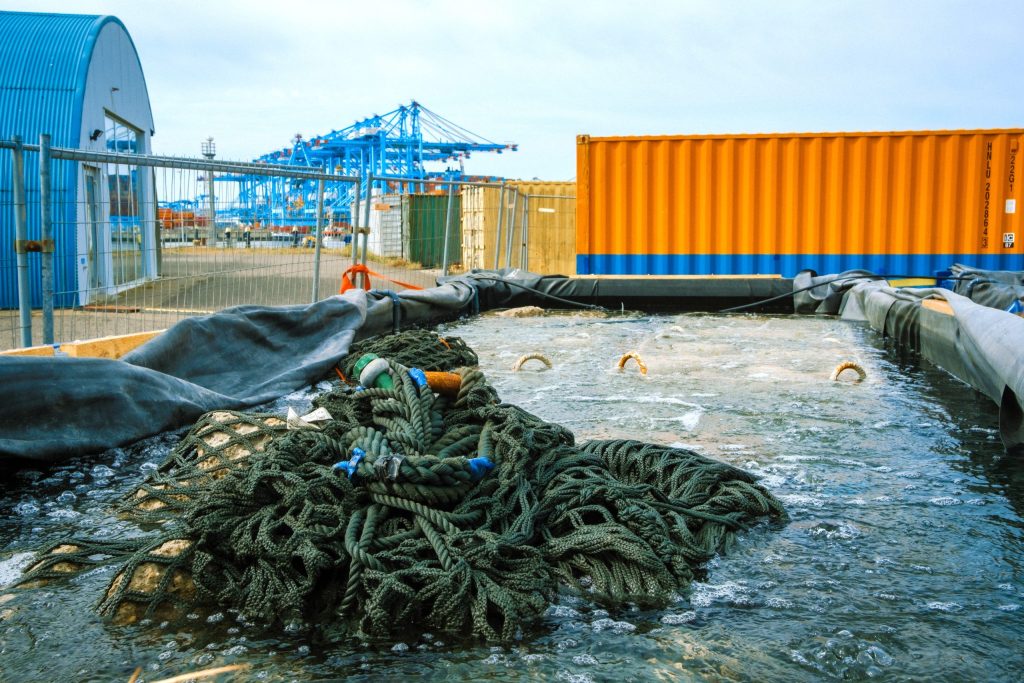
The project’s goal is to develop and test a cost-effective method for deploying flat oysters on both small and large scales. has proven to be effective in the United States with another oyster species. Within the project, we’re exploring whether it is also applicable to the European flat oyster. The exploration will have five phases:
-
Designing and testing a remote setting setup
-
Measuring how many oyster larvae attach to the stones
-
Deploying young oysters at an easily accessible location in the coastal area
-
Monitoring deployed oysters to determine their survival rate
-
Producing a final report with advice on whether – and how – we can apply this method on a larger scale
If the remote setting technique proves successful, it can be applied cost-effectively and on a larger scale, anywhere. Stones with oysters can be directly incorporated into the design, construction and maintenance of maritime infrastructure. This includes wind turbines, breakwaters and undersea cables. It is a great opportunity to link nature restoration with offshore infrastructure and take significant steps toward strengthening biodiversity
Partners
Funding for this project has been provided by Nature Regeneration North Sea. It has been carried out by three partners: ARK Rewilding Netherlands, Stichting Zeeschelp and Van Oord’s initiative Ocean Health. The lessons learned from this project were incorporated into a larger pilot focused on remote setting, which has been taken forward by a larger consortium since the summer of 2025.