Reef sounds for oyster settlement
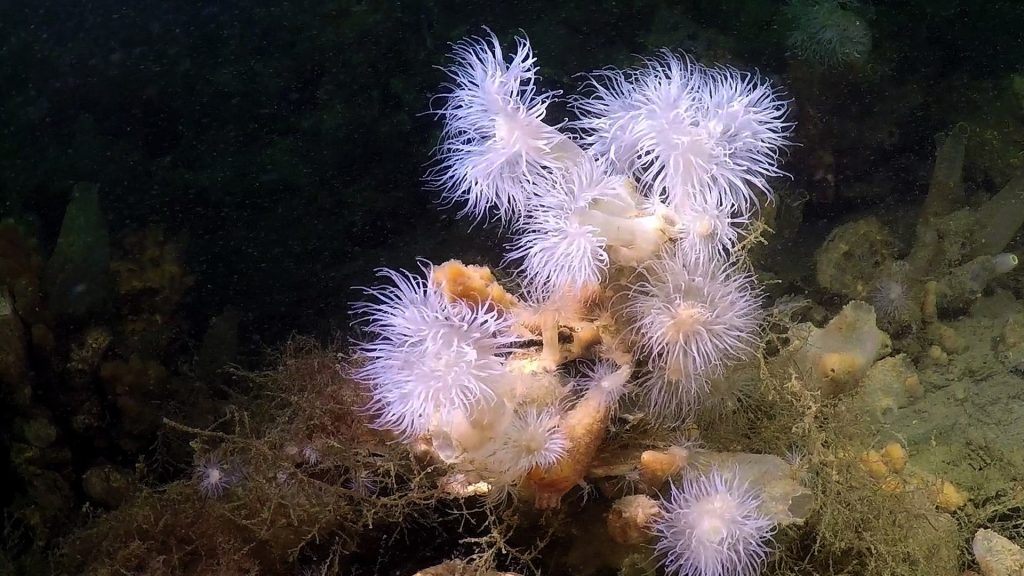
This project research the potential of reef sounds. Are we able to mimic these natural sounds to help young oysters find their ideal home? This innovative method could accelerate the regeneration of oyster reefs and thus strengthen the biodiversity in the North Sea.
How do reef sounds work?
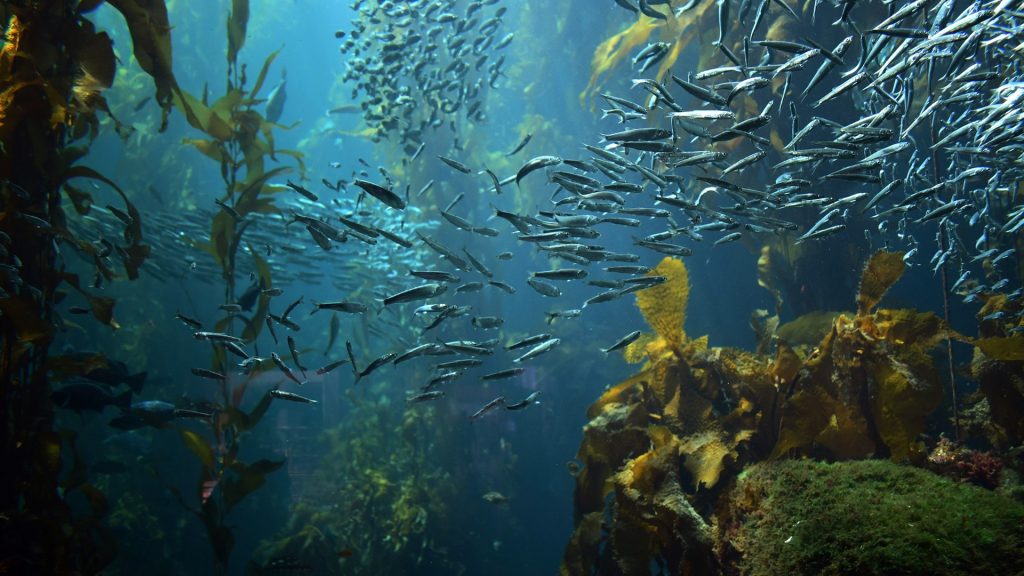
Oyster larvae drift freely in the water during their first phase of development. They must ‘settle’ somewhere and form a reef. Research shows that they’re guided by sounds: lobsters burrowing through sand, fish swimming past, the buzz of a living ecosystem. These sounds indicate a place where oysters can find a safe place with shelter and food.
The research
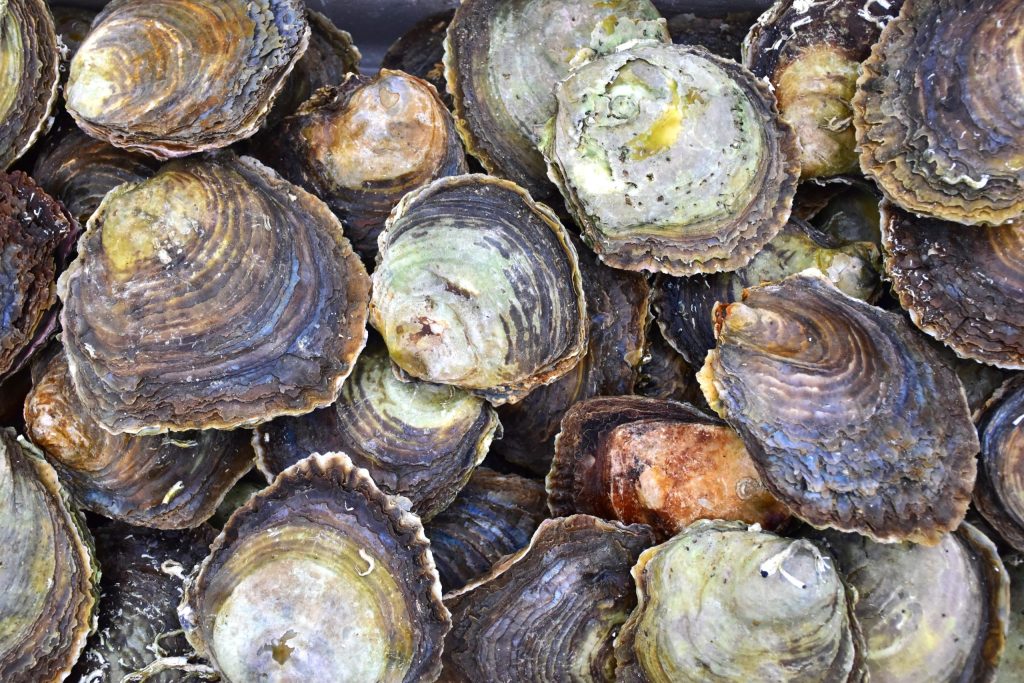
Can replicating these reef sounds help oysters settle? In Australia, this method proved effective for a species related to the European flat oyster. Through our research, we’re exploring whether reef sounds can also be deployed in the North Sea. The sandy, somewhat bare seabed may ‘sound’ less attractive than a living reef, so replicating the sounds of a living ecosystem may help oysters settle and reproduce faster. In this project, we will investigate whether this works, and which reef sounds are most effective.
Our research consists of four phases:
-
-
Development of a prototype
-
A field principle test
-
Sound validation
-
Application for oyster restoration
-
If we succeed in developing a successful offshore underwater speaker, we can create an action plan to help restore oyster reefs at strategically selected locations in the North Sea.
Why are oyster reefs so important?
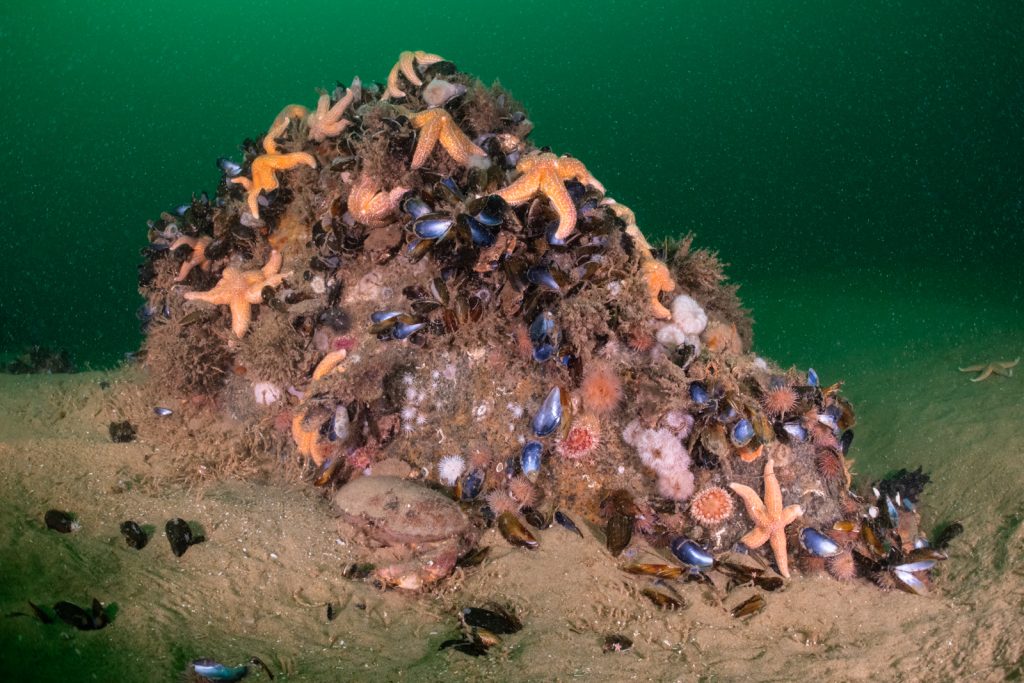
The North Sea is used intensively for a variety of purposes, so there is little room left for the European flat oyster. Yet this species is indispensable for a healthy North Sea: oysters filter water, form reefs and therefore provide food and shelter for other marine life.
If we want a resilient North Sea, it’s essential to contribute to this species’ restoration. And that means returning oysters to the sea. This research adds an important step: directing them toward safe places to settle. The ultimate goal is for them to reproduce independently and form reefs.
Partners
Nature Regeneration North Sea is financing this project, which is being carried out by Van Oord, Waardenburg Ecology, Waterproof and EcoShape.