Innovative monitoring of undersea life
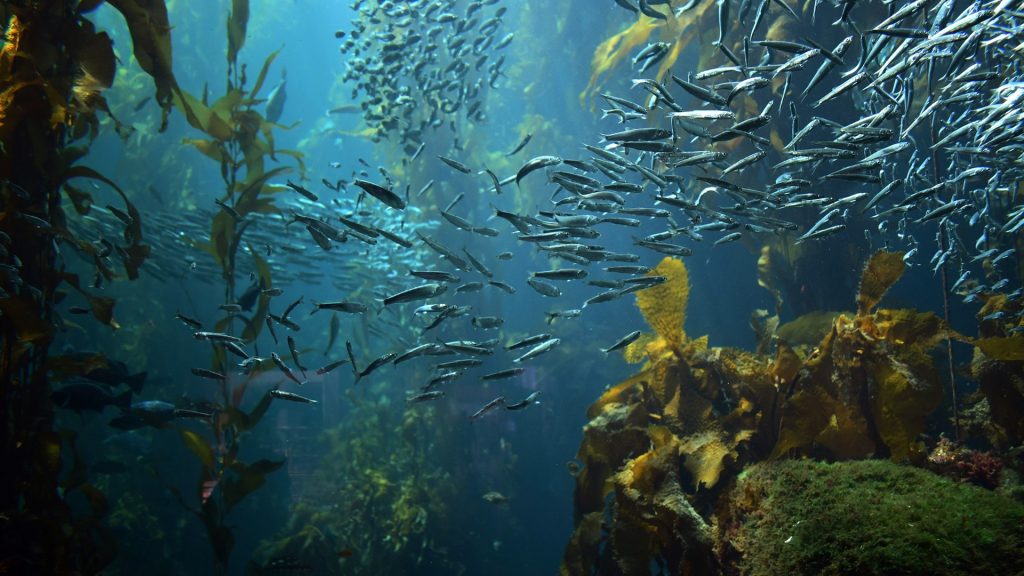
What does human activity – such as the construction of offshore wind farms – do to marine life? How do fish and birds move around, what lives among biogenic reefs? And what is the effect of our efforts to restore North Sea nature? While we have a wealth of knowledge on land, we still know very little about the sea. By investing in innovative monitoring techniques, we can cost-effectively monitor marine life and ensure more targeted impact from our interventions.
The research
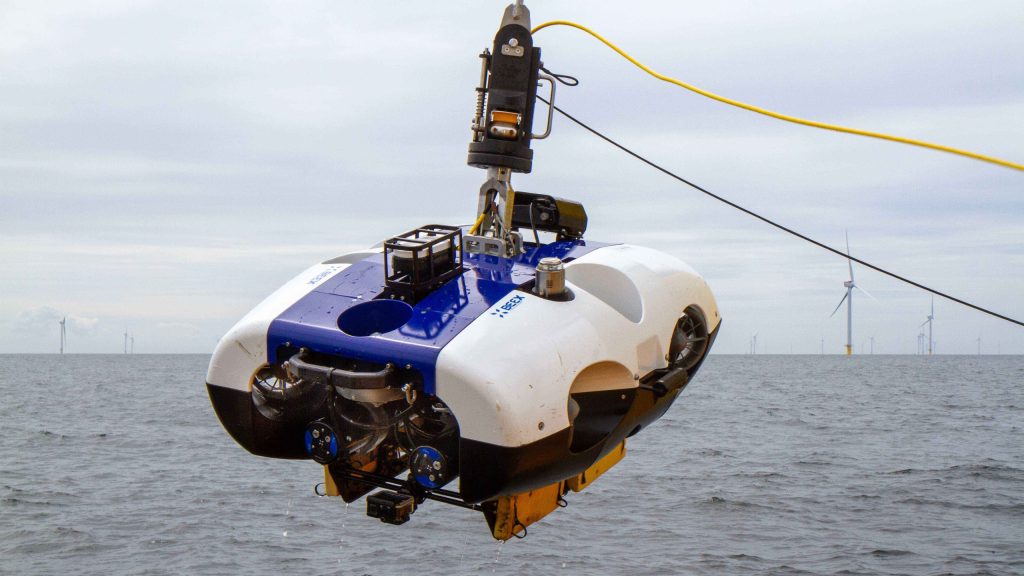
In this project, The Rich North Sea is partnering with Wageningen Marine Research, TNO and Seaward to test innovative underwater monitoring techniques, such as Remotely Operated Vehicles (ROVs) and Autonomous Underwater Vehicles (AUVs). The focus is on monitoring bottom-dwellers (benthos) and biogenic reefs in rough, shallow water. The project will consist of two phases.
In phase 1, Wageningen Marine Research and Seaward will map the available techniques and identify knowledge gaps. In a centralized test location, various parties will demonstrate and compare their new techniques at sea. The collected data will then be analyzed to assess the monitoring technique’s effectiveness.
In phase 2, the results will be compiled and reported: what is the current state of the technology, how can technologists and ecologists collaborate better? And how do the results contribute to policy development, monitoring strategies and nature regeneration at sea? This knowledge will be shared broadly through the Toolbox and other channels.
Partners
The Rich North Sea is carrying out the project, in cooperation with Wageningen University & Research, TNO and Seaward. Nature Regeneration North Sea is providing the funding.